Quadriceps strain
Common running injury terms
2,469 views
⏱ 1 min
4Quadriceps muscles
4Risky moments
3Prevention tips
Part 01 · What it is
The front thigh’s brake and accelerator
Tap a name below to see where it is.
Simplified diagram; proportions are for showing position only.
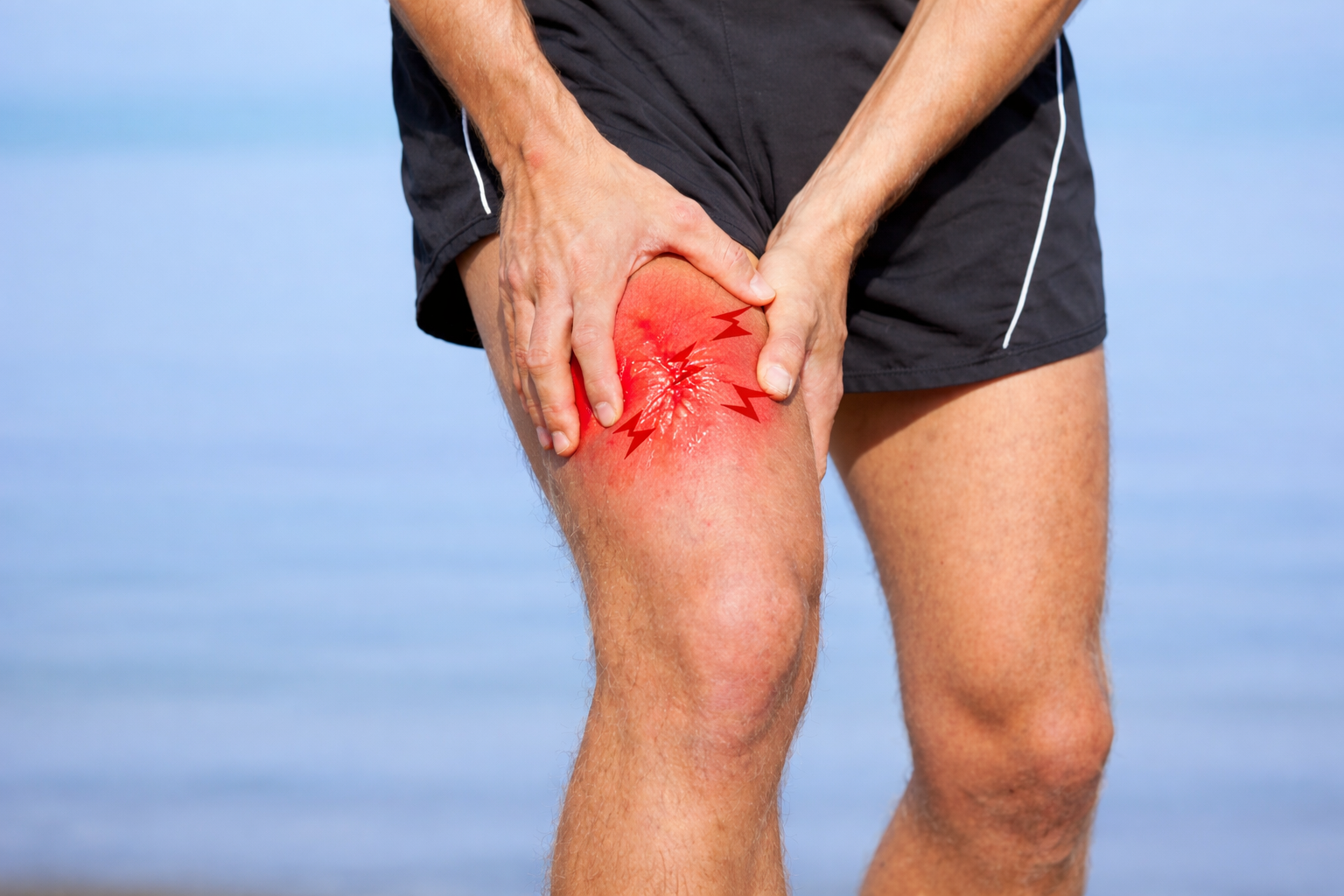
With sudden acceleration, sprints or lots of downhills, the quadriceps are stretched quickly and then contract hard, and small fibre tears happen easily. Most often the intensity exceeds what the muscle can handle at that moment.
Try it · Readiness
Is the muscle ready?
Switch on what today’s session will include.
Comparison for illustration.
Part 02 · Body signals
How does it usually appear?
Switch to compare mild and more serious.
You can run, but pushing off doesn’t feel right.
- Pulling pain at the front of the thigh
- Local tenderness and tightness when pressed
- Discomfort when lifting the leg or pushing
These usually mean the strain is not minor.
- Clear weakness
- Rapid swelling
- Affects walking
Tick what you’ve felt lately and we’ll tell you what to do.
Warning
Clear weakness or rapid swelling usually means the strain is not minor.
Part 03 · Before you run
Prevention before you run
The key points:
Warm upProgress graduallyKeep it supple
- Warm up properlyBefore running, use dynamic stretches, leg raises and lunges to get the front thigh working.
- Control intensity changesBuild speed work, downhills and intervals gradually, and don’t force high intensity when tired.
- Regular careStretch and release the quadriceps after training and on rest days to keep them supple and recovering well.
Pre-run checklist0 / 7
Warm up
Control intensity
Regular care
Tap each one, then head out.
In one line
A quad strain usually isn’t weakness; it’s being pushed too fast before you’re ready.
Give it time to warm up and the risk drops a lot.This page is general sports-health information and does not replace a diagnosis from a doctor or physiotherapist. If symptoms persist or get worse, see a medical professional.
🏁 Finished!
Added to your knowledge mileage. Where to next?
Next stop
 Read
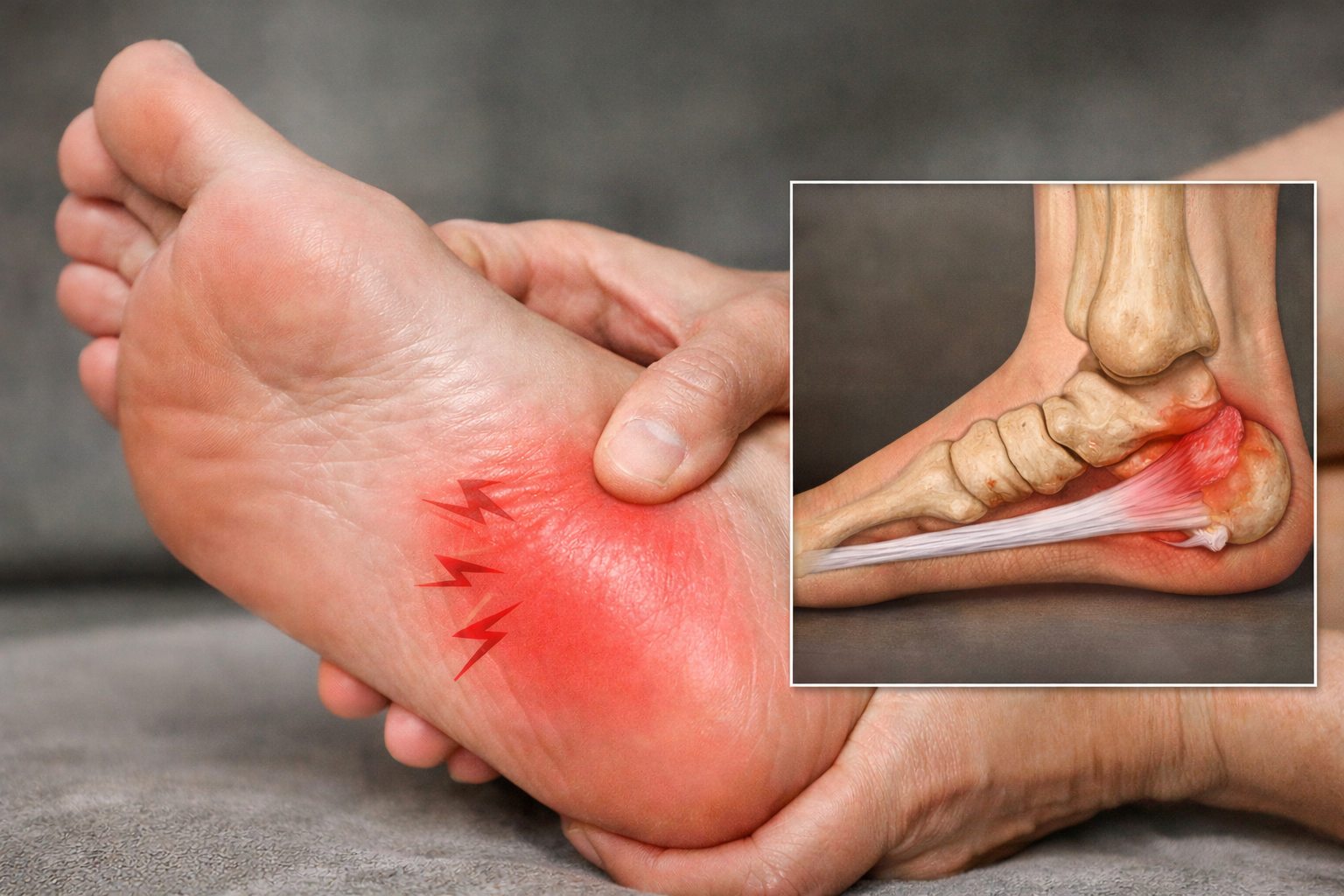
Plantar fasciitis
The plantar fascia is a ligament stretching from the heel to the forefoot, supporting the arch and absorbing impact dur…
 Read
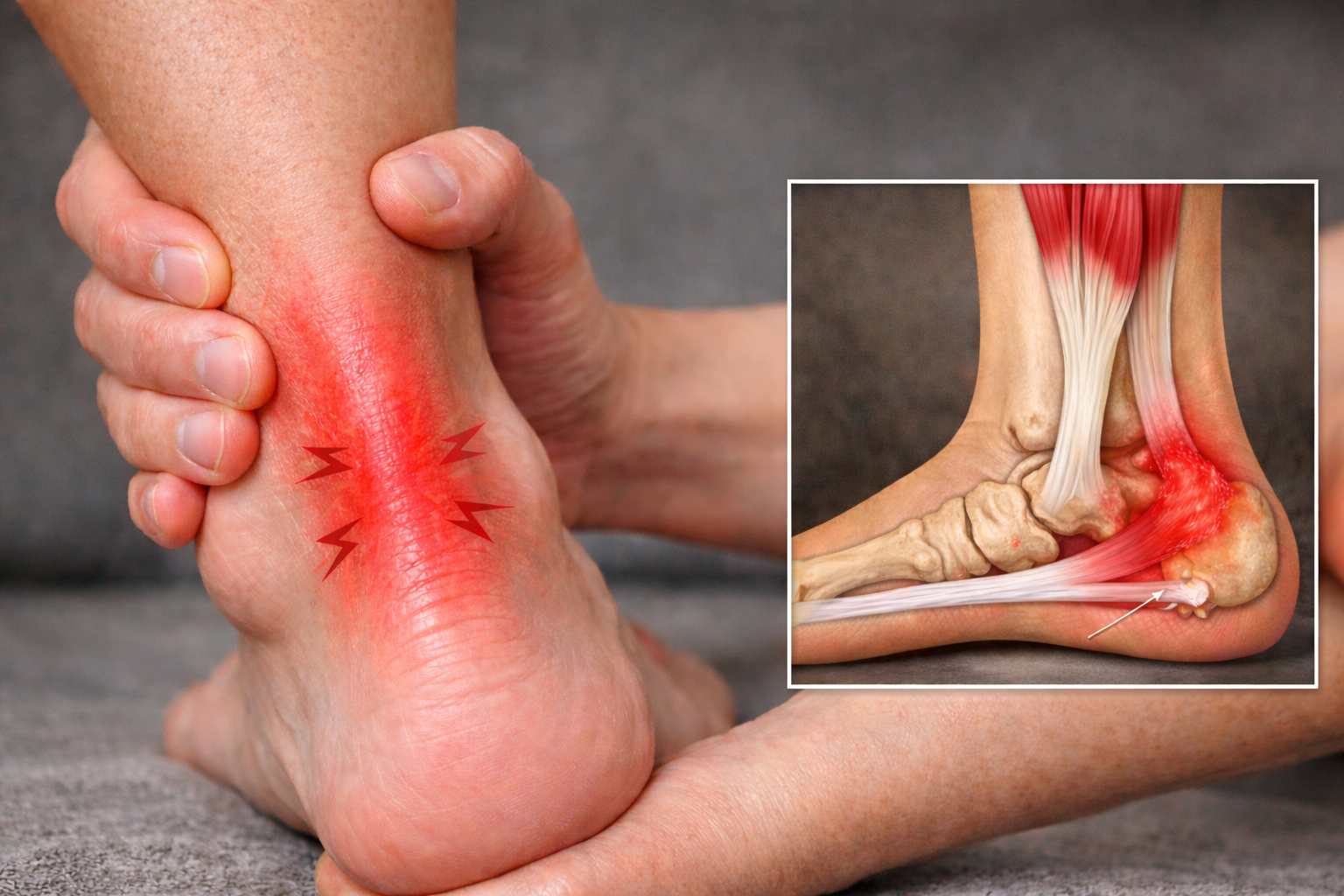
Achilles tendinitis
The Achilles tendon connects the calf muscles to the heel and acts as the key “power transmission belt” during running …
 Read
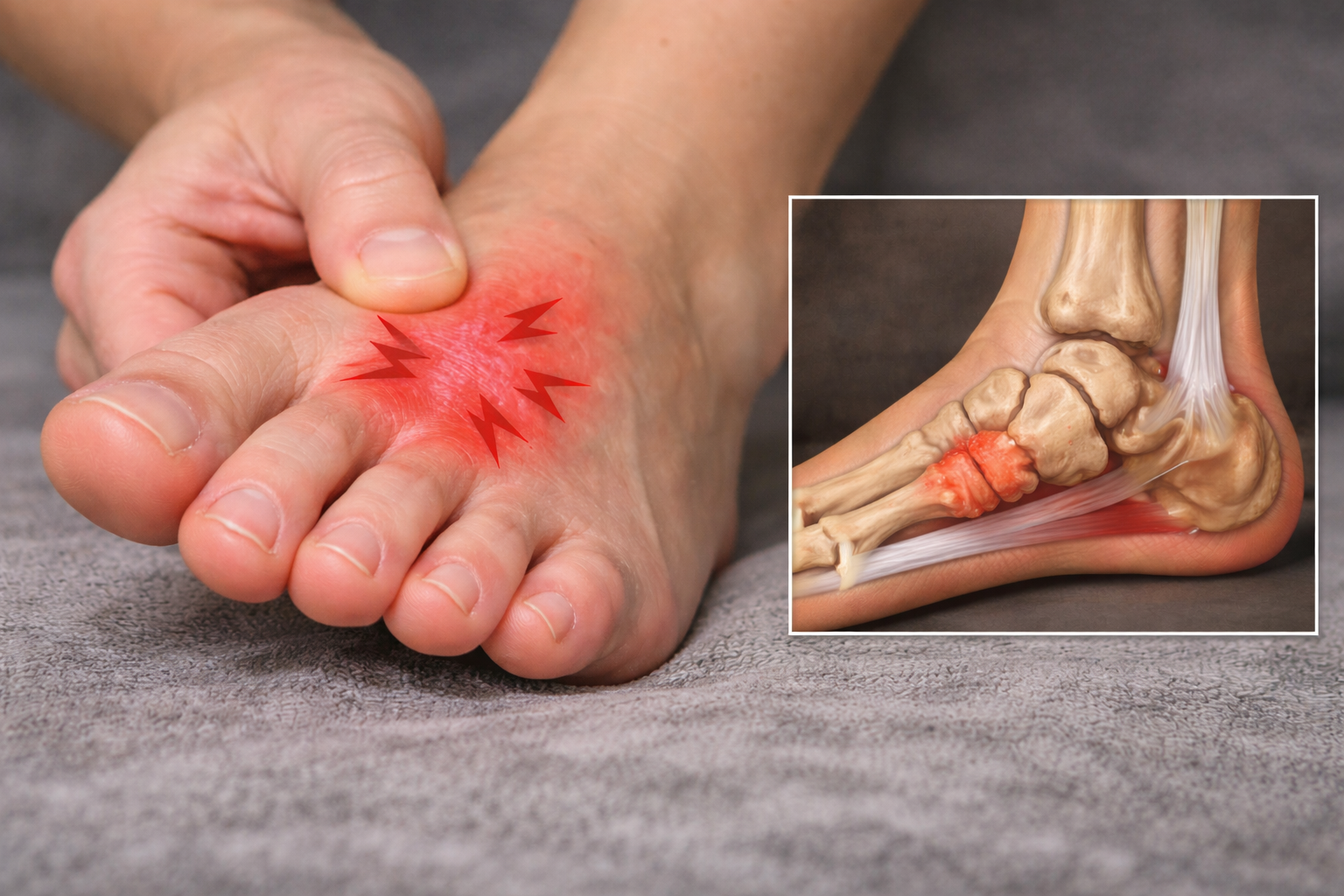
Metatarsal stress fracture
The metatarsals connect the toes to the midfoot and play a key role in bearing and transmitting body weight during runn…