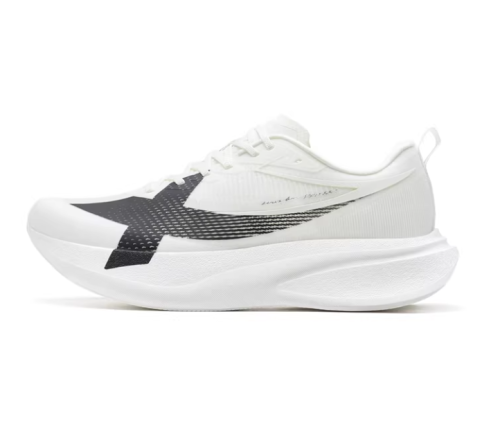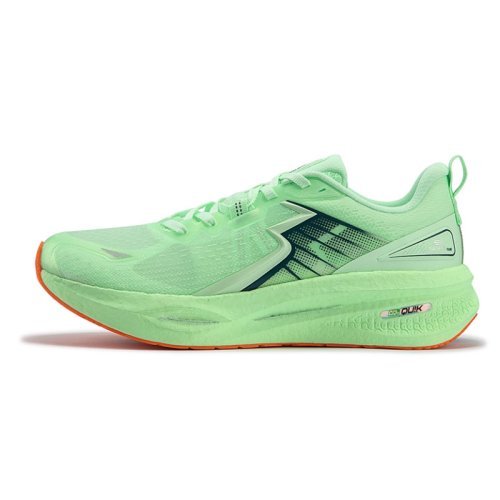
速湃Float
- Weight
- 267g
- Drop
- 9mm
- Heel / Forefoot
- 31/22mm
- Lifespan
- 400km
What kind of runner are you?Pick one to see how this shoe rates for you
✅ Pros: For new runners, this shoe is light, breathable, cushioned, and not too firm — very beginner‑friendly. It won’t “kick you forward” unexpectedly or make your knees overly tired at the start.
✅ Recommended use: Use it as a beginner shoe / training shoe / commuting + walking + occasional jogging shoe — it helps you gradually build a running habit and get used to the running feel.
✅ A great fit: If you usually walk more than you run, and your routine is commuting + walking + occasional light jogging for health, the Supai Float is very versatile thanks to its comfort and its ability to handle both daily wear and light running.
✅ Recommended use: Wear it as a commuting shoe, walking shoe, easy‑jog shoe, or everyday shoe with occasional running — it doesn’t require high performance and isn’t easy to wear out.
✅ If your goal is steady mileage, easy runs, recovery runs, or regular daily training, this shoe works well — it’s comfortable, practical, and friendlier to your knees and feet than more aggressive carbon‑plated shoes.
⚠️ But if you want to use it as your main marathon racing shoe or for high‑pace training/racing, it may not deliver the strong propulsion or speed sensation you’re looking for.
✅ Some reservations: Although there are rumors about a “forefoot plate + rebound” version, official sources and most information still classify it as a regular cushioned shoe. It does not guarantee the “step → spring → launch” sensation you get from carbon super shoes.
✅ Recommendation: It’s better suited for warm‑ups, recovery runs, easy‑pace runs, and commuting runs. If you’re chasing PBs in 5K/10K or aiming for half/full marathon races with maximum efficiency, you should pair it with a shoe that offers stronger rebound and propulsion.
Specs
- Midsole
- Midsole uses Float cushioning material
- Plate
- Fiberglass plate
- Upper
- Lightweight mesh with synthetic support structure
- Outsole
- Rubber outsole with durable, slip‑resistant design
- Terrain
- Asphalt
- Cushioning zone
- Even
- Version
- Unisex
Compared with other “Daily Slow Run” shoes
171 similar shoes in our database. The dot is this shoe; the line is the average.
Ride feel
「Soft, responsive cushioning with energetic propulsion」
Who this shoe fits
Reviews
Like 0
- No comments yet — be the first.
Dislike 0
- No comments yet — be the first.
Similar shoes
Tags show the difference from this shoe